
Instrument air for process equipment.
Process equipment can have both an instrument-air circuit and a separate fluid-control circuit. Identify which medium each component handles, then review pressure, temperature, materials and the required control function.

Where pneumatics fit.
Instrument-air preparation
Filters and regulators prepare the compressed-air branch serving instruments or actuators. Keep the air-supply duty distinct from the process-fluid line.
Local pressure adjustment
Regulate pressure at the equipment or a specific pneumatic branch. Check the required setting range and flow at the point of use.
Auxiliary fluid switching
A suitable two-way solenoid valve can switch an auxiliary air, water or oil circuit. The medium, pressure differential and valve configuration must be reviewed together.
Components to consider.
Explore the product range, then check the model specifications for your circuit.
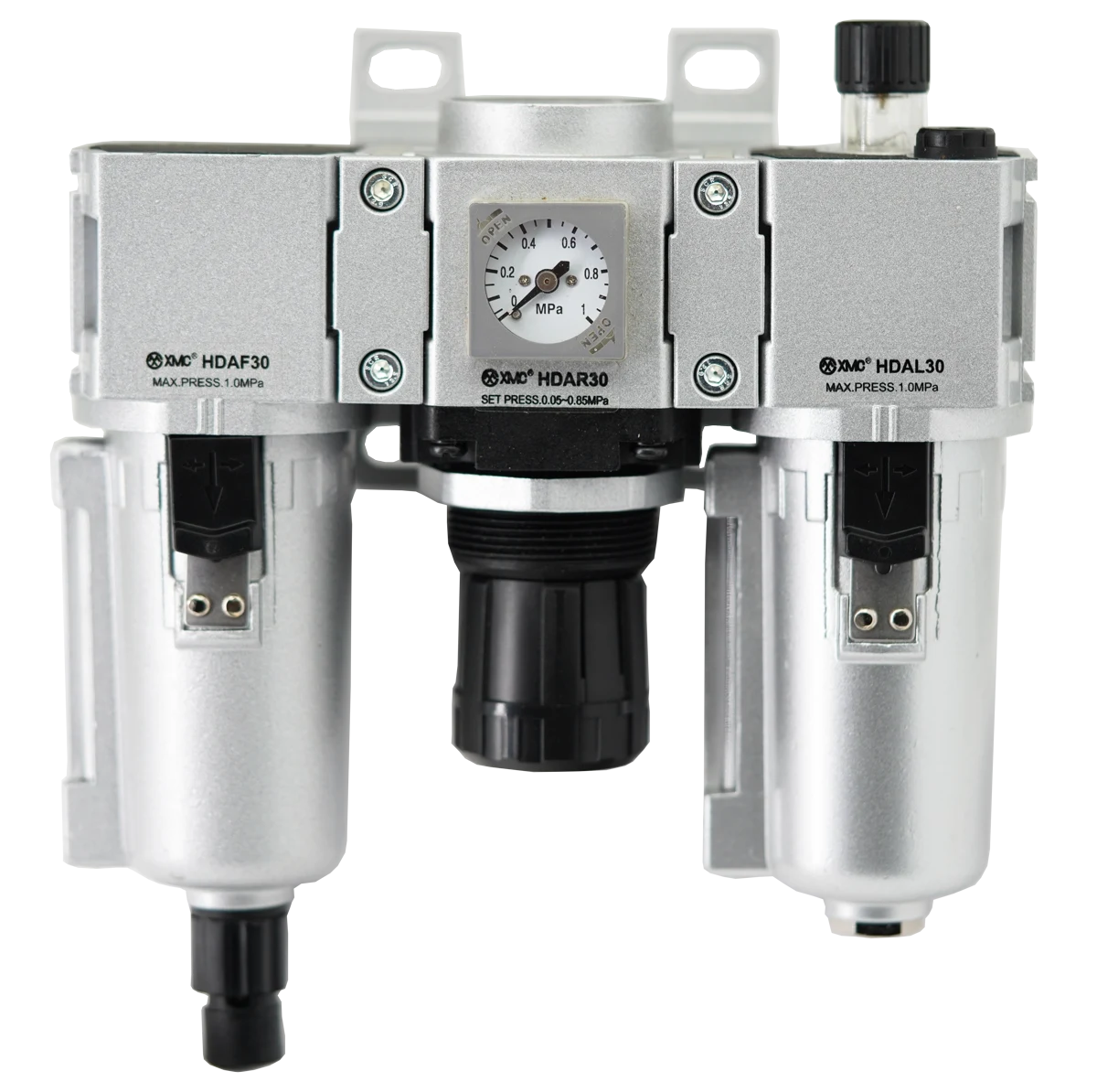
HDA air preparation
Prepare the instrument-air branch
HDA filters and regulators provide options for compressed-air preparation. Select the configuration and drainage arrangement for the air circuit.
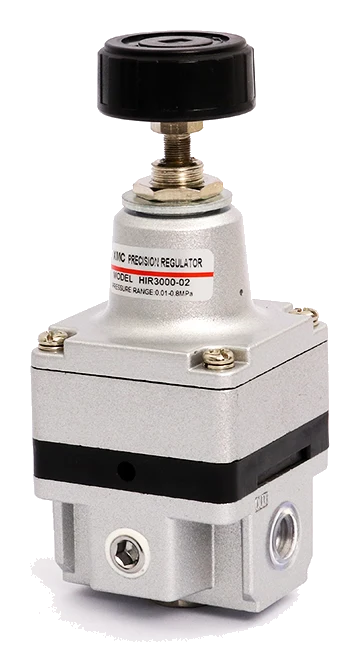
HIR precision regulators
Set branch pressure
HIR provides fine pressure adjustment. Match its setting range, body size and control configuration to the instrument-air requirement.
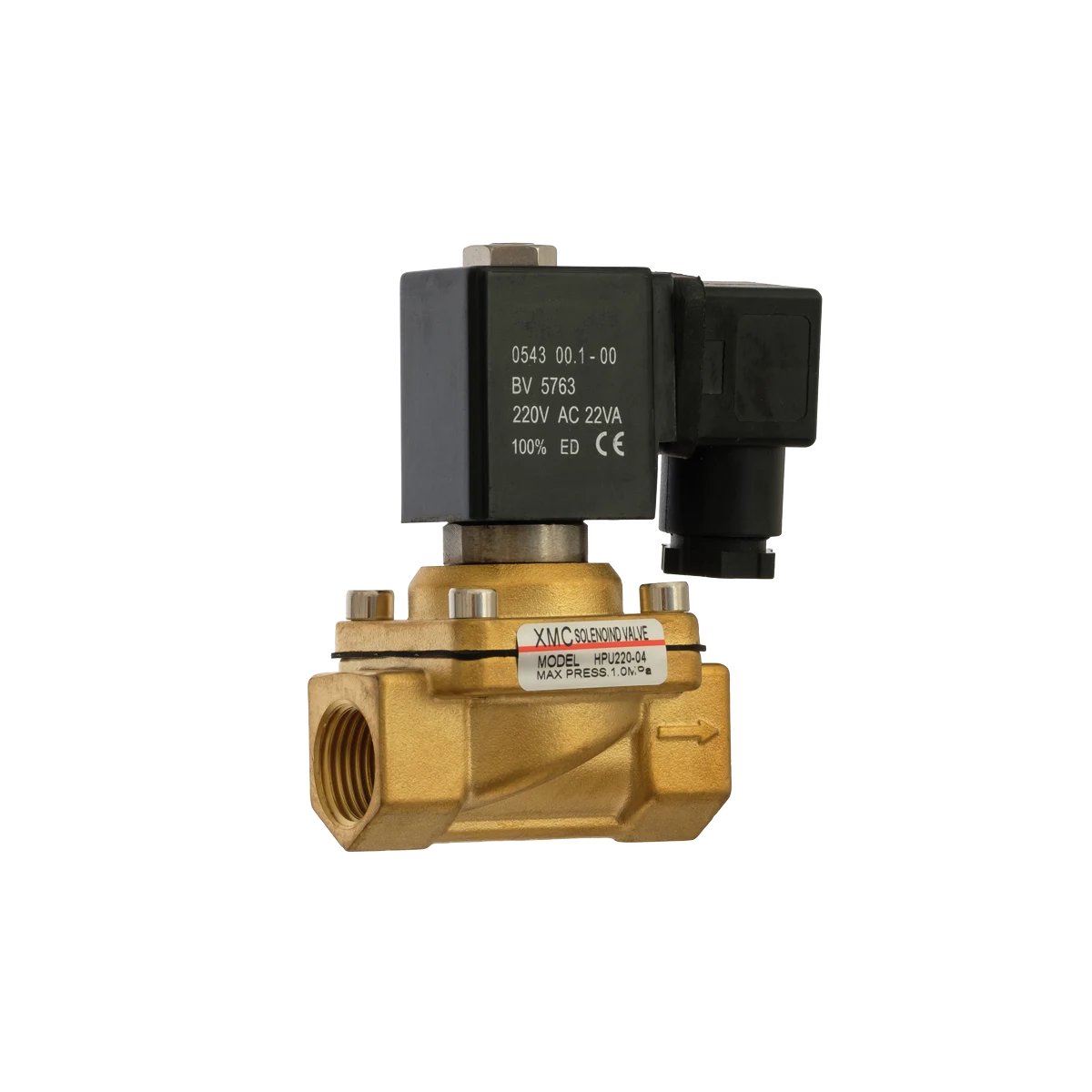
HPU solenoid valves
Switch a compatible auxiliary medium
HPU two-way valves cover air, water or oil duties by configuration. Confirm direct-acting or pilot-operated design, port, orifice and coil voltage.
Before you choose.
Use these details to narrow the selection with XMC.
- Medium and materials
- Identify the exact medium and confirm seal and body compatibility.
- Operating conditions
- Minimum and maximum pressure, pressure differential and temperature.
- Valve function
- Required flow, normal state, actuation method and control voltage.
- Site requirements
- Environment, installation constraints and any required certifications.
Guides for this application.
- HDAL Lubricator Minimum Flow: Why Is the Oil Not Dripping?
- Two-Piece vs Three-Piece FRL: Choosing an XMC HDA Combination
- FRL Installation Checklist: Airflow, Drainage and Commissioning
- Air Regulator vs Precision Regulator: How to Choose
- Air Filter vs Mist Separator: When Is 5 Micron Not Enough?
- When to Replace a Pneumatic Air Filter Element
- Water After an Air Filter: When Does Your System Need a Dryer?
- 5 vs 25 vs 50 Micron Pneumatic Filters: How to Choose
- Air Regulator Pressure Drops Under Load: Causes and Checks
- Manual vs Automatic Air Filter Drain: How to Choose for HDA
Talk through your application.
Send the circuit diagram, exact medium, operating pressure and temperature, flow requirement and required documentation.
A product category alone does not establish chemical compatibility or suitability for a hazardous area. Confirm the specific model against the duty.