

Pneumatic Component RFQ Checklist for Technical Review
Use a copyable technical RFQ worksheet to record confirmed inputs, unresolved questions and exact configuration requirements before requesting a pneumatic quotation.
Read guidePractical notes for specifying pneumatic components, checking specifications and preparing a useful technical inquiry.
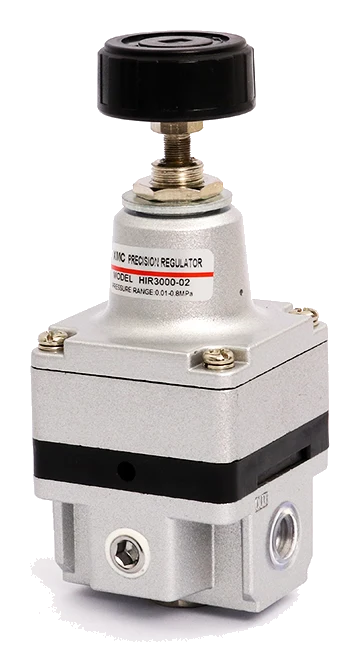
Compare HIR panel holes and bracket references, separate regulator brackets from modular assembly hardware, and prepare a drawing review before fabrication.
Read the guideClear inputs make product selection and technical review more useful.
Use a copyable technical RFQ worksheet to record confirmed inputs, unresolved questions and exact configuration requirements before requesting a pneumatic quotation.
Read guide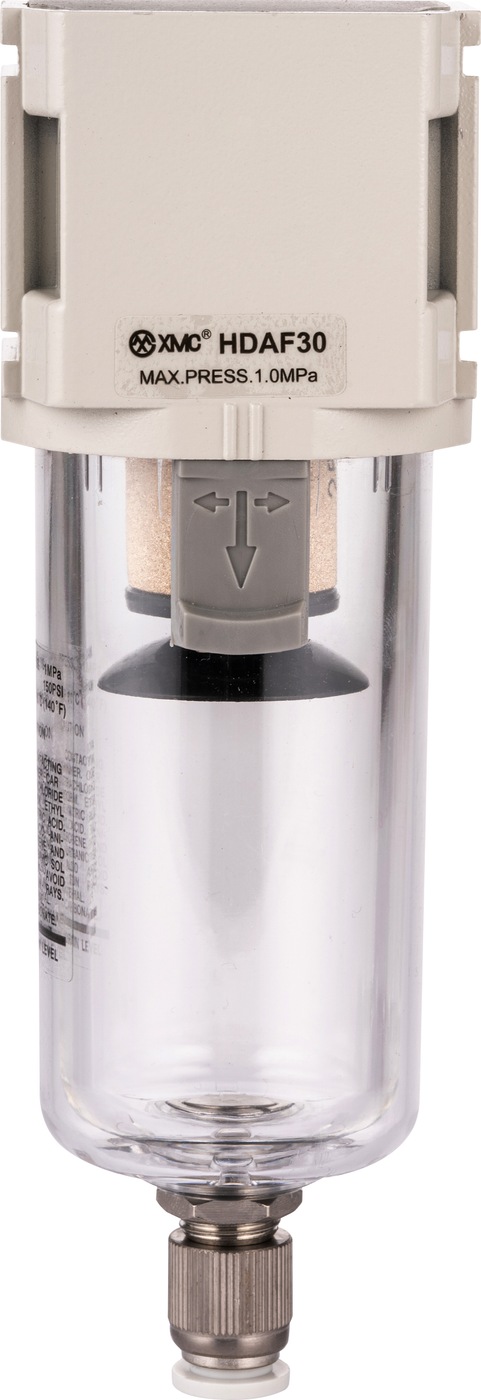
Turn a hypothetical ISO 8573-1 requirement into a quotation review: identify the measurement point, compare supplier evidence and record what still needs confirmation.
Read guide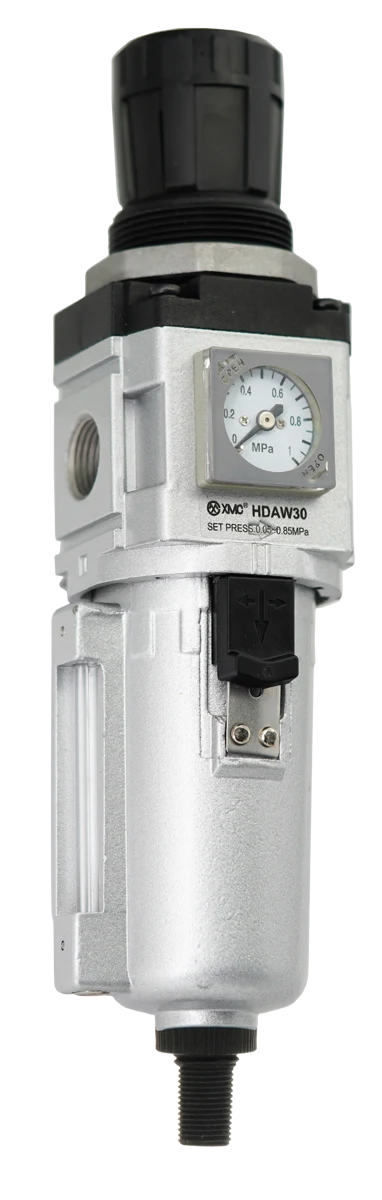
Read the HDA EP output reference, distinguish switching, analogue and serial options, and prepare a controller-interface handover before confirming the complete model.
Read guide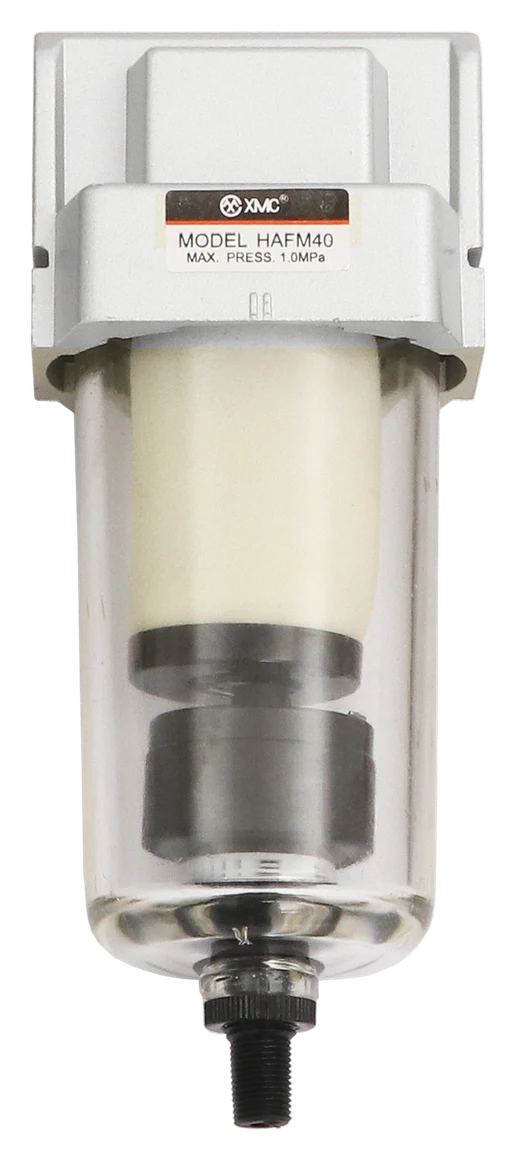
Compare the actual HAFM and HDAFM body sizes, ports and configuration choices. Keep their different flow descriptions and stated conditions attached to the quotation.
Read guide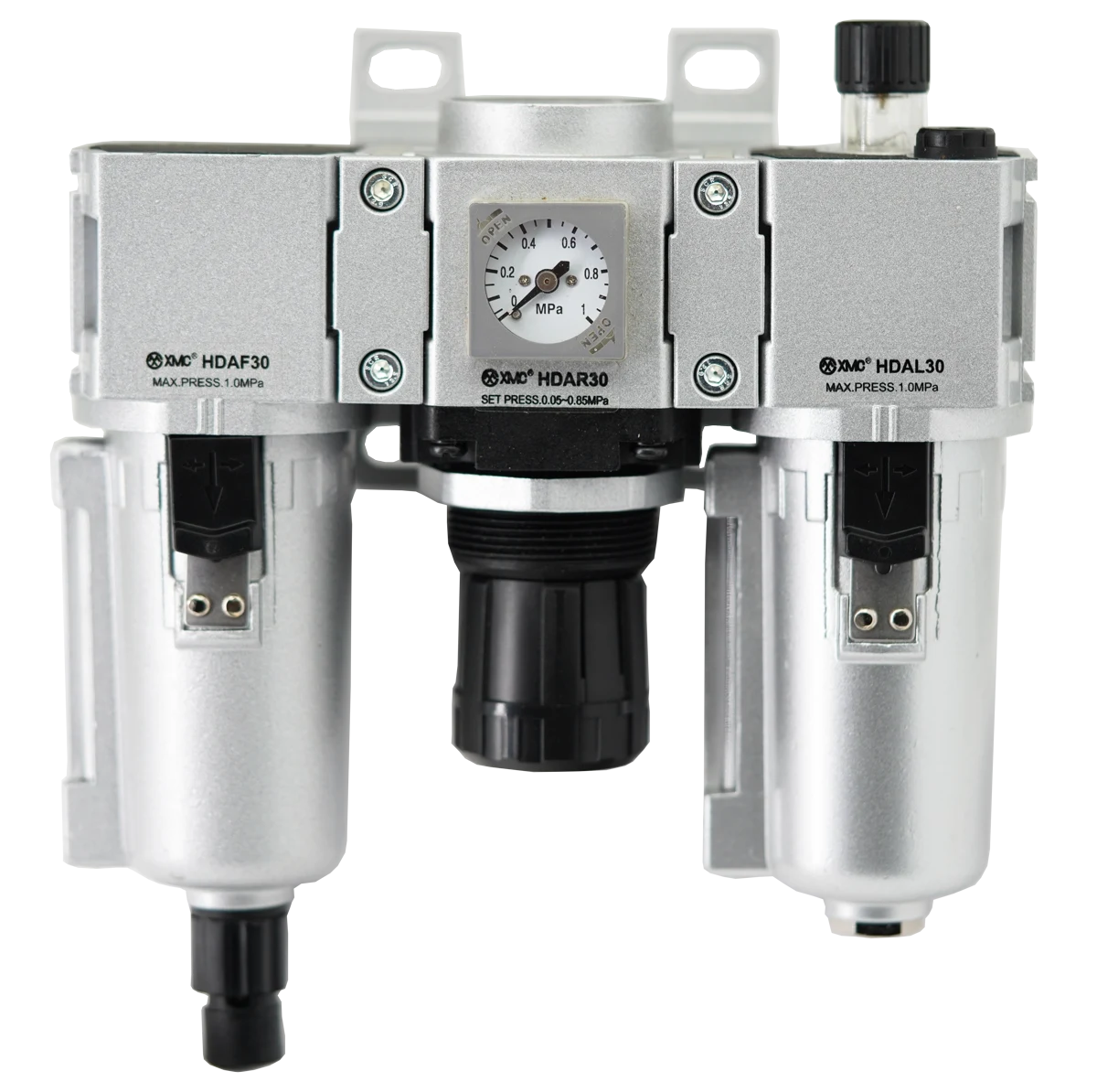
Read HDA ordering fields in context, compare two printed HDAC examples, and prepare a supplier-confirmed configuration with interfaces and operating evidence.
Read guideSeparate shared air-treatment duties from each machine’s pressure, air-quality and lubrication requirements. Use a branch map and handover record before selecting HA or HDA components.
Read guideUse a model-and-port table, a conditional no-drip check and an inquiry record to review HDAL20, HDAL30 or HDAL40 against actual branch demand.
Read guide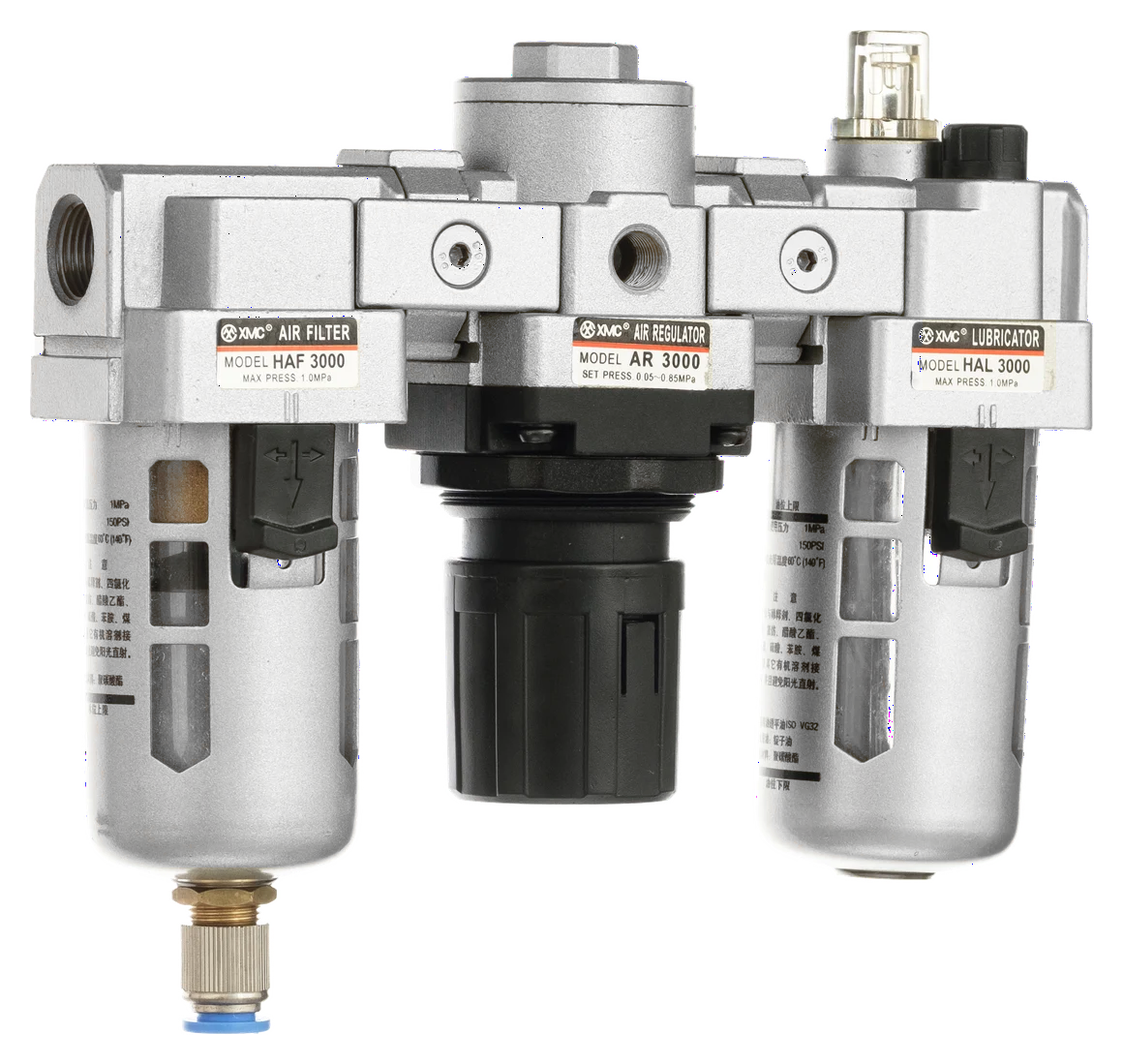
Build an old-versus-proposed configuration record before changing an HA air-preparation unit to HDA. Check functions, complete models, interfaces, drawings and operating evidence.
Read guideCompare HDAW with an HDAF and HDAR arrangement for a branch without added lubrication. Review actual drawings, pressure-test access, connections and service scope.
Read guideSpecify how an HIR pressure setting will be controlled. Separate main air connections, control-air requirements, model options and mounting before requesting a quotation.
Read guide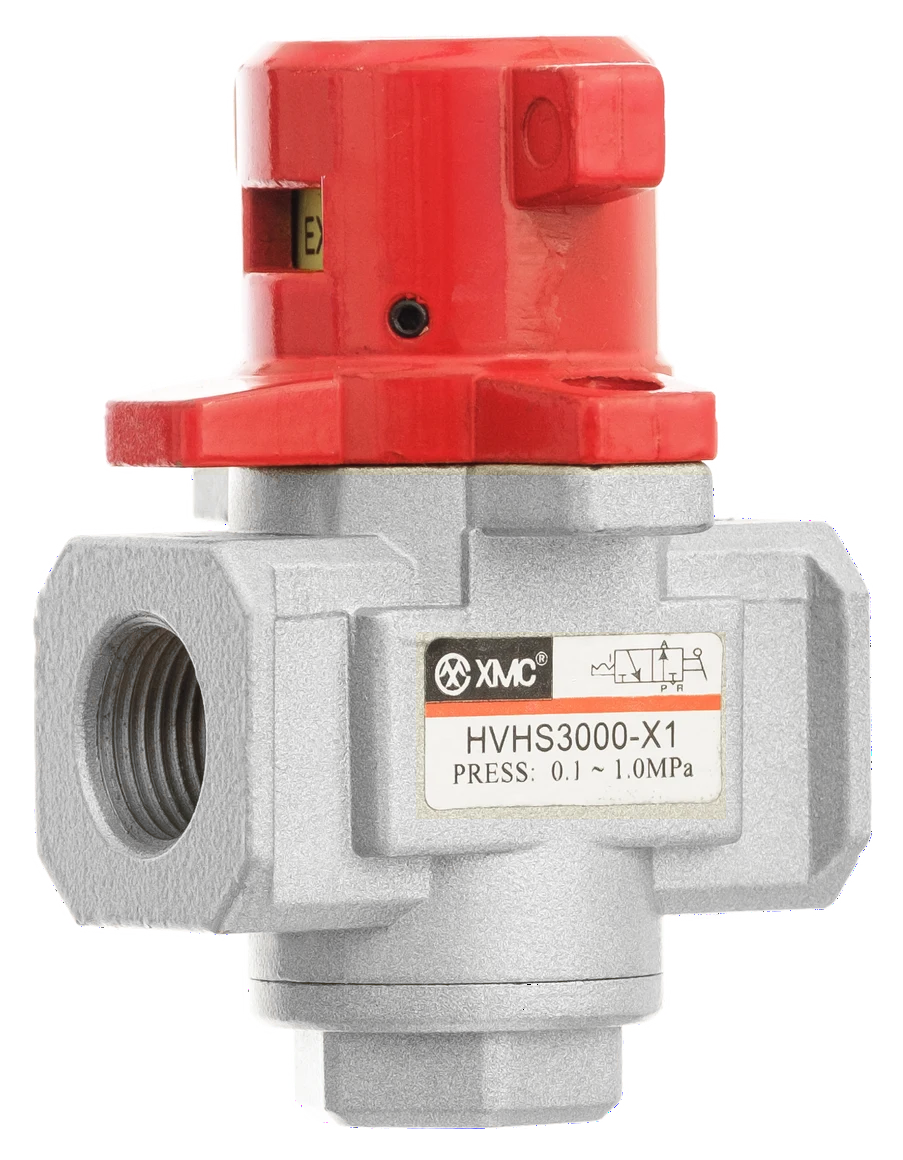
Compare HVHS2000-5000 connection codes, exhaust ports and drawing dimensions, then prepare a valve inquiry that separates locking requirements from circuit verification.
Read guideChoose the air-treatment functions first, then compare HA and HDA layouts, pressure, demand, drainage and lubrication with a practical selection brief.
Read guide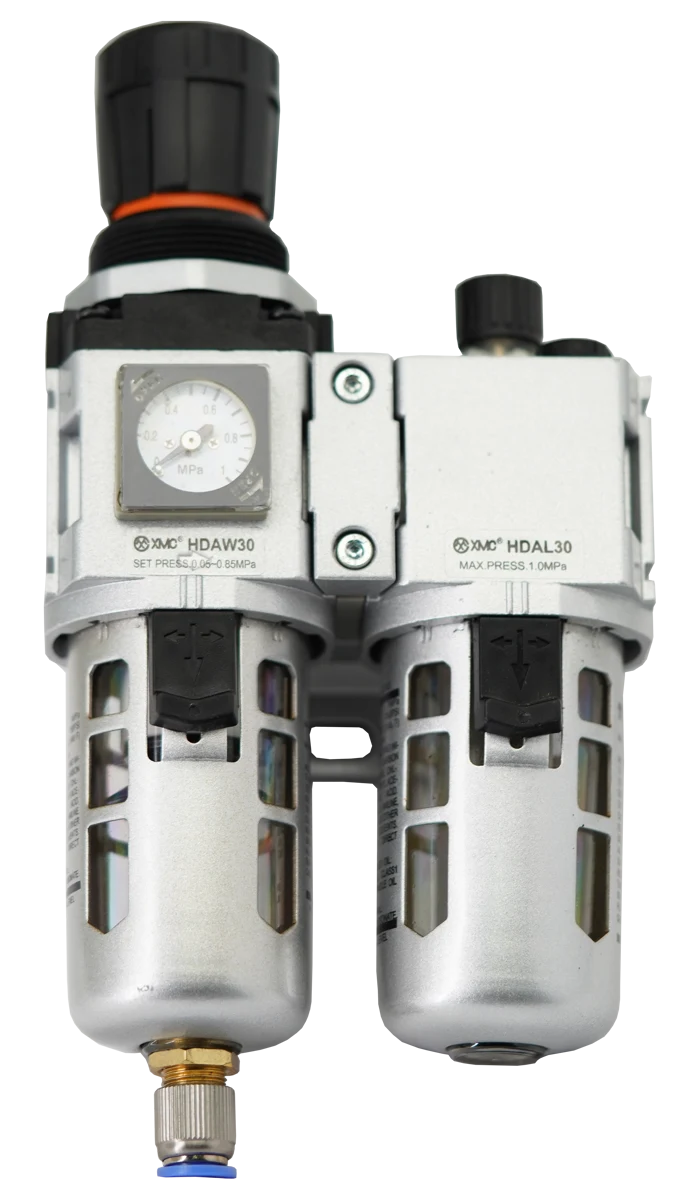
Compare HDAC three-piece F+R+L and HDAC-A two-piece FR+L assemblies. Match the layout to lubrication needs, flow, service access and drain requirements.
Read guide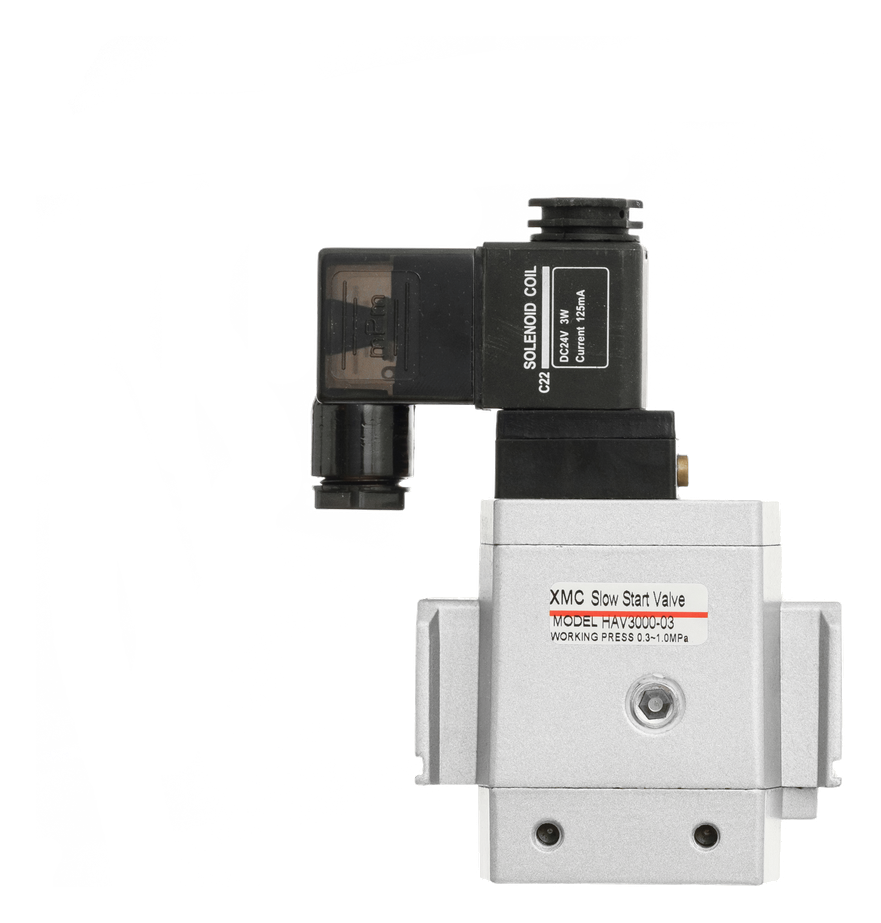
Follow XMC HAV filling, full-opening and exhaust stages. Check startup faults, sizing and how residual venting differs from HVHS lockable isolation.
Read guide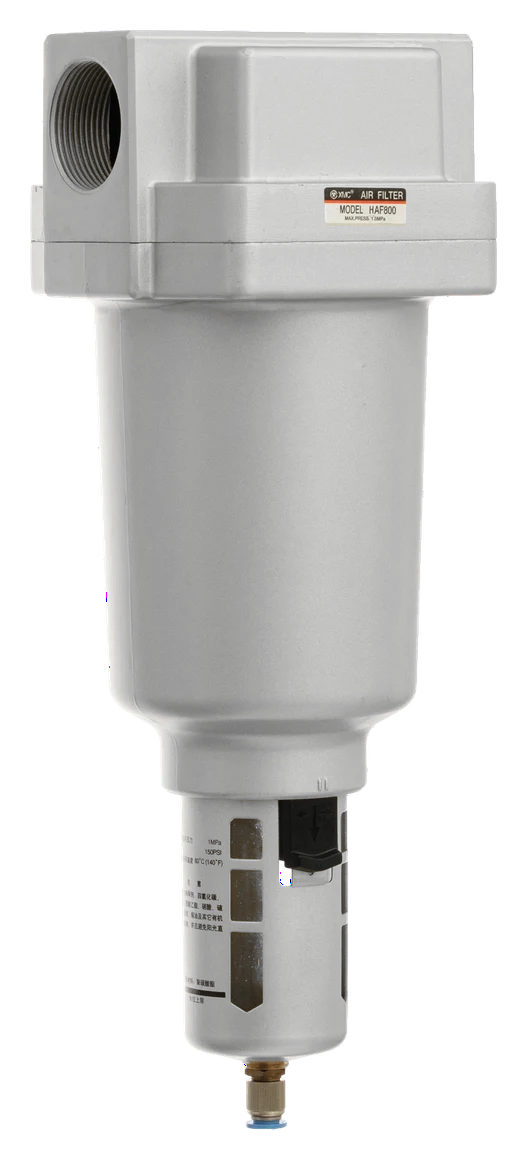
Plan an XMC HA distribution branch using HAF filtration, HAR regulation and lubrication requirements, with checks for demand peaks, connection sizes and catalogue conditions.
Read guideChoose XMC's international English website, the Simplified Chinese website for China, or the previous English website for earlier information and service links. Customers in the United States currently use the international English website.
Read guide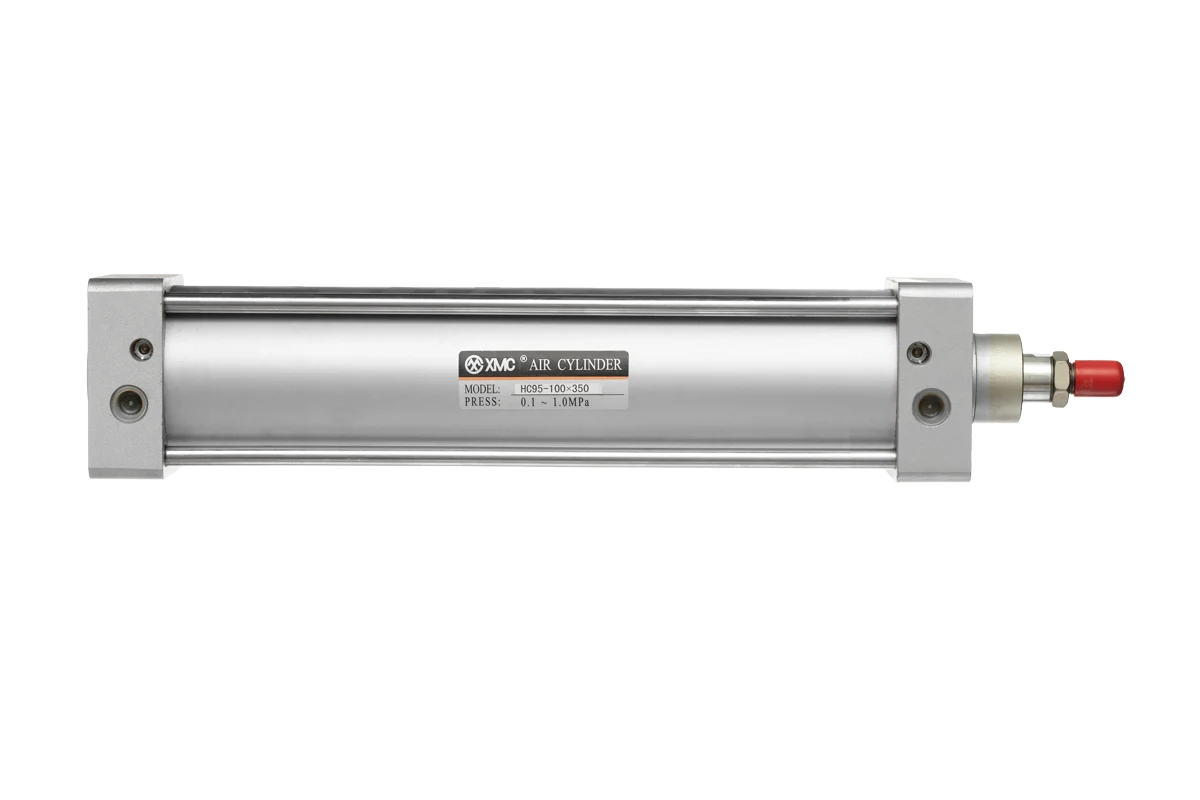
Calculate theoretical cylinder push and pull force, check pressure units and rod area, and prepare a bore-size inquiry using the actual machine conditions.
Read guideCheck an air preparation assembly before connection, during installation and at commissioning, including HDA module order, mounting, drains and operating-pressure checks.
Read guide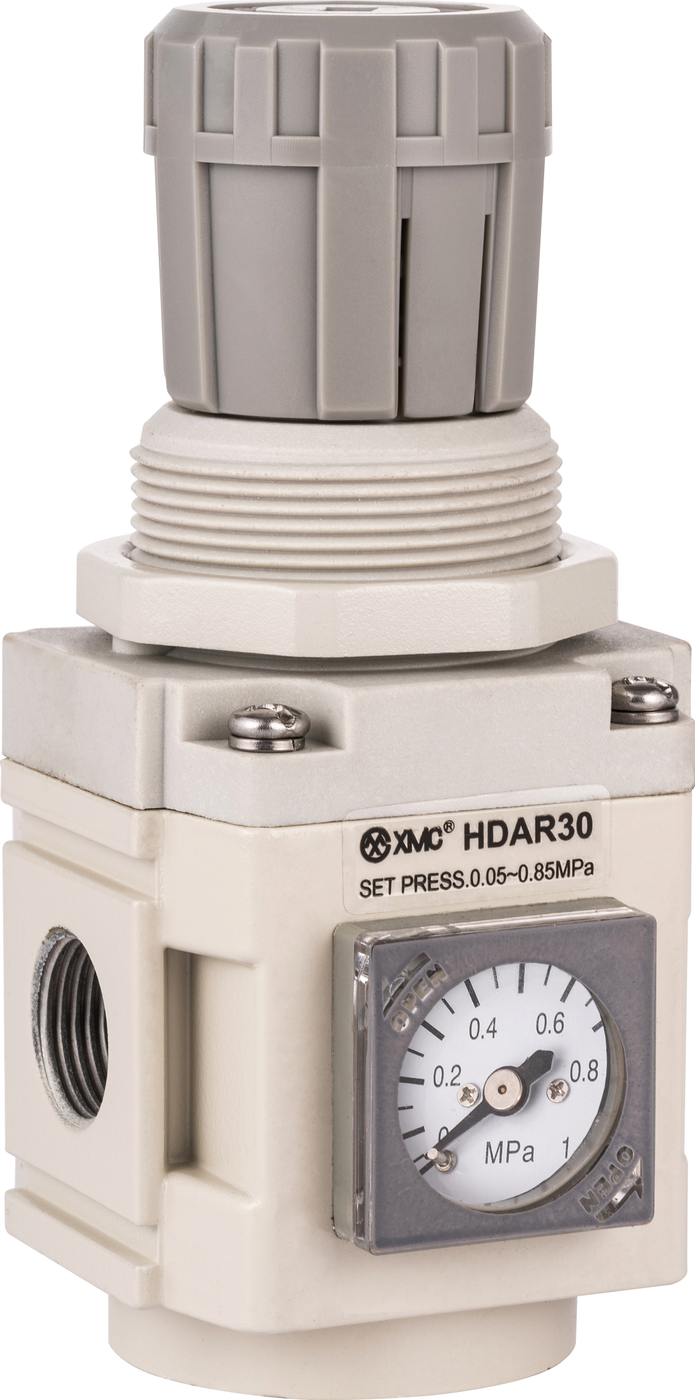
Compare general-purpose and precision air regulators by pressure tolerance, flow, repeatability and air consumption, with XMC HDAR, HDAW and HIR selection references.
Read guide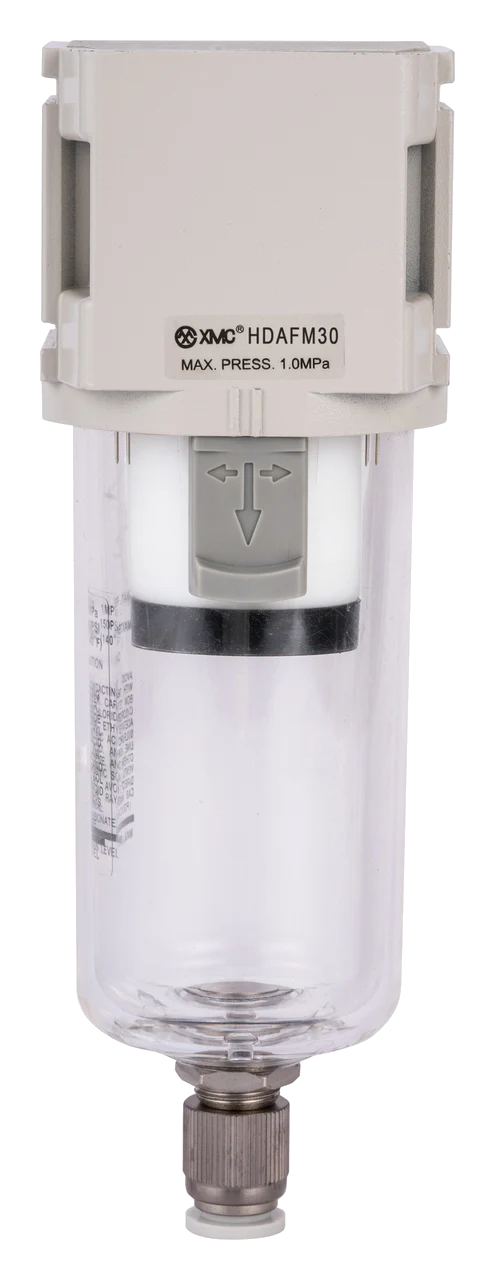
Decide between HDAF particle filtration and HDAFM oil-mist treatment using contaminant type, outlet-air requirements and flow under real operating conditions.
Read guidePressure rises after the machine stops using air? Separate normal pressure recovery from regulator creep, check the supply and circuit, and prepare an XMC technical inquiry.
Read guideSpecify the connection standard as well as the port size. Compare G, R, Rc, Rp and NPT markings, check the sealing arrangement, and prepare an XMC air-preparation inquiry.
Read guide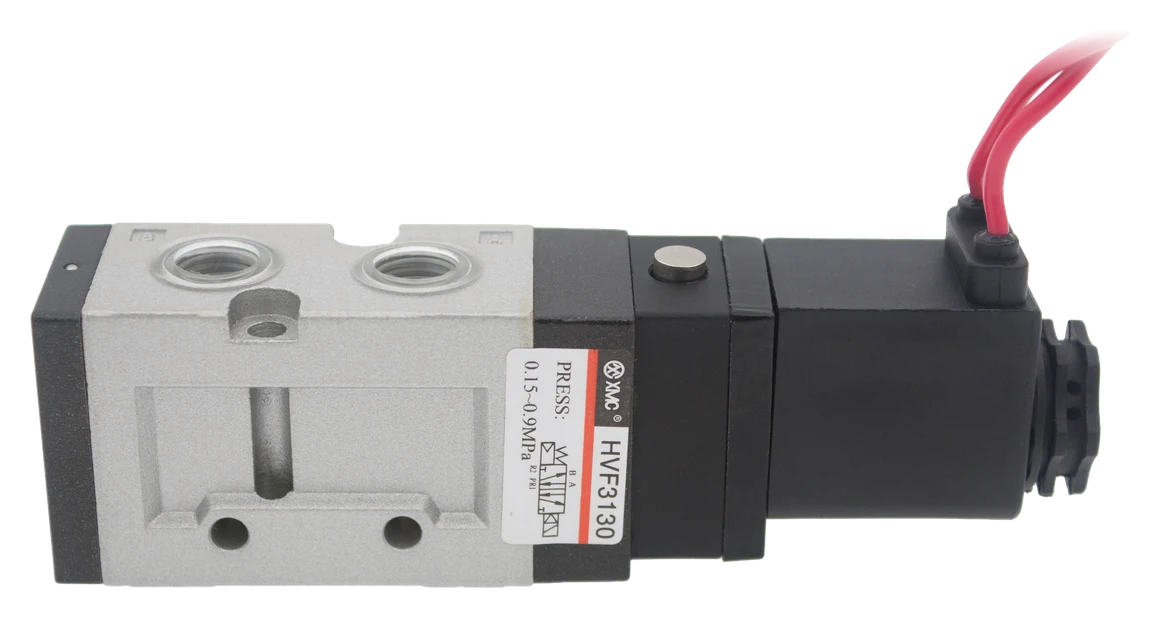
Choose a directional valve for the required cylinder motion, flowing pressure and electrical supply. Use XMC HVF catalogue examples to compare ports and ordering options.
Read guideSize an air preparation unit for simultaneous demand and flowing pressure. Learn how to compare flow curves, HDA body sizes and connection options before ordering.
Read guide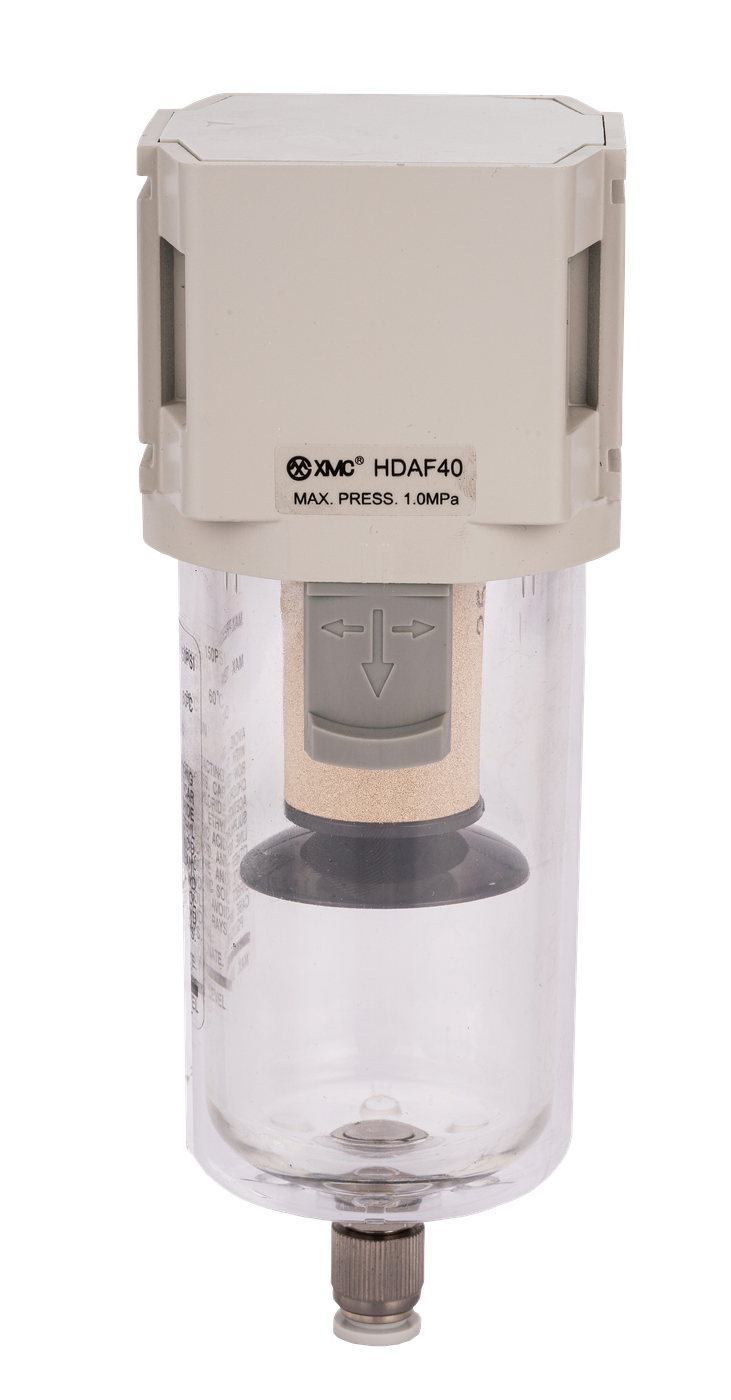
Use the exact element's service instructions, comparable pressure readings and air-quality requirements to plan replacement without guessing a universal interval.
Read guide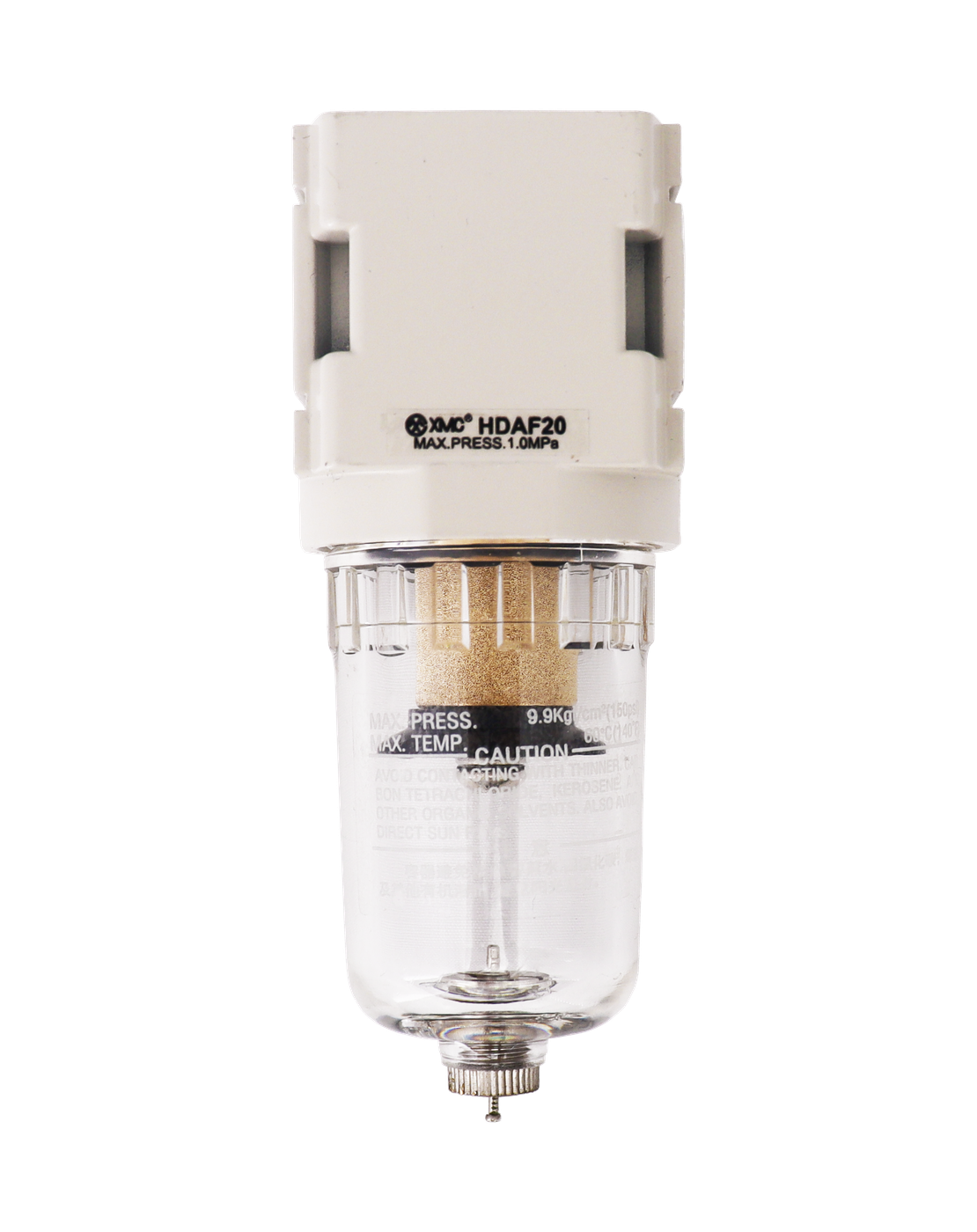
Separate a drainage problem from downstream condensation. Check where water appears, what the filter removes and which pressure dew point the machine needs.
Read guideCompare the three HDAF filter-element options, match filtration to your pneumatic circuit, and choose HDAF20, HDAF30 or HDAF40 without confusing port size with air quality.
Read guidePressure falls when a cylinder moves? Compare inlet and outlet readings, check the air path, and use HDAR or HDAW flow curves to review regulator sizing.
Read guideChoose between manual, air-shutoff and automatic drainage for HDA filters. Learn why a stopped machine may still hold water, and which details to confirm.
Read guideA buyer-oriented checklist for defining cylinder motion, load, working pressure, bore, stroke, mounting, cushioning and sensing requirements.
Read guide